
Search Results for
April 28, 2022
Who Is The IRS’ Chief Counsel? Under Biden, No One.
enforcing the U.S. tax code. Much has been written regarding the IRS’ gutting over the years. The agency has been systematically defunded, deresourced, and attacked by political operatives for decades, at a grave cost to the basic functionality of our government, and to the benefit of only the richest Americans. These trends were only exacerbated under the Trump administration, which was hyper-focused on dismantling the tax system to benefit its corporate and billionaire cronies. Unfortunately, the Trump administration’s destructive influence remains pervasive throughout the IRS, with Trump’s Commissioner, Charles Rettig, still installed as the governing head of the agency while finishing a 5-year term (at the pleasure of the president) set to expire in 2022.
April 27, 2022
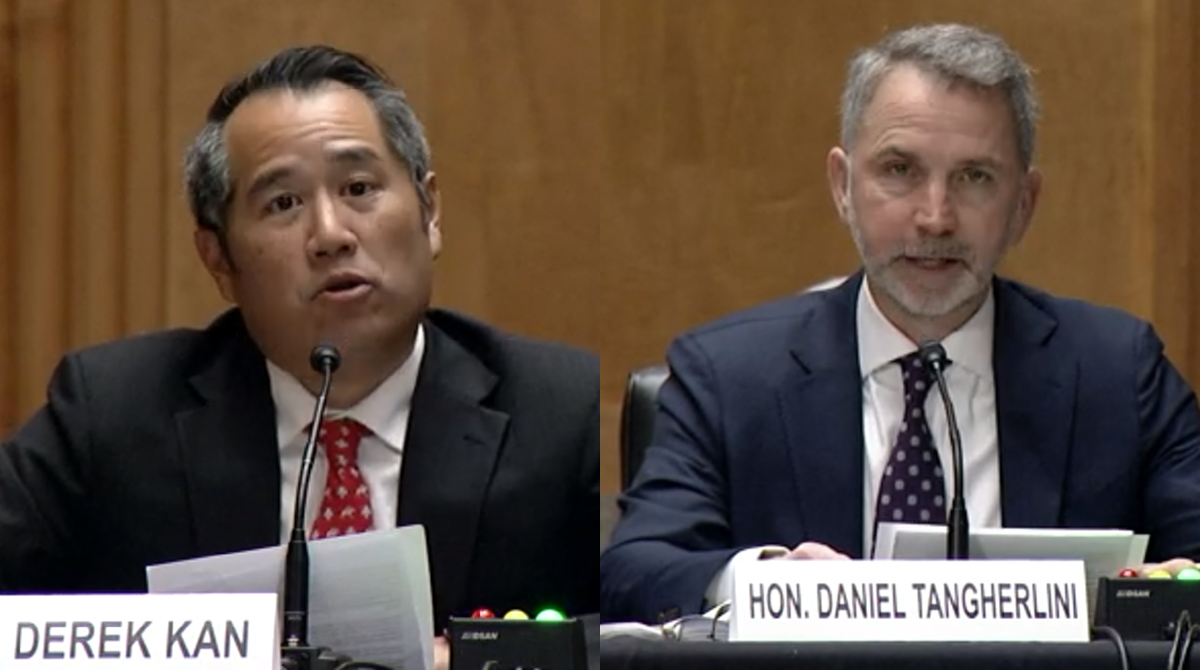
Biden’s USPS Nominees Seem Fine With Letting DeJoy Wreck The Post Office
Dan Tangherlini and Trump alum Derek Kan are unlikely to oust DeJoy if confirmed to the Postal Board.
April 25, 2022
Corporate Crackdown Updates: 4/25/22
Every two weeks, we’ll be sending a summary of what the Biden administration has and hasn’t done to police and publicize white-collar crimes and big business abuses.
April 25, 2022
Blog Post 2020 Election/TransitionClimate and EnvironmentEthics in GovernmentExecutive BranchJeff ZientsRevolving Door
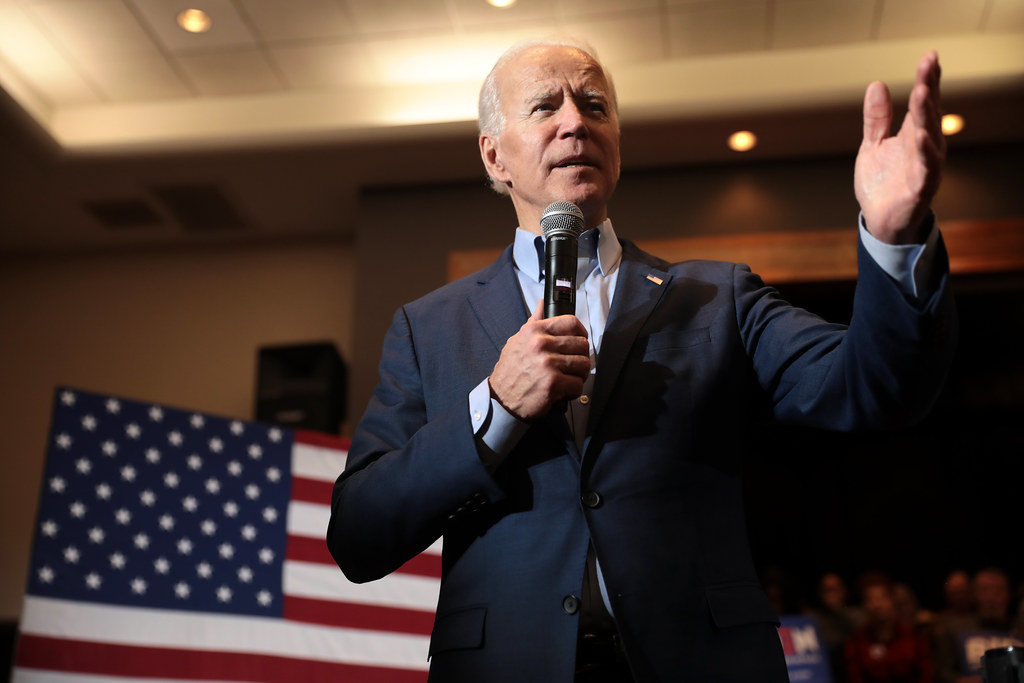
What You Need To Know About The Contenders For Biden’s Next Chief Of Staff
Nearly halfway through President Biden’s second year in office, with midterms on the horizon and senior staff either burning out or eager to sell out, “Transition 2.0” — the rapid departure of said senior staff with an influx of new personnel — is growing closer. One position we’re keeping a close eye on is Biden’s next Chief of Staff. Currently filled by Ron Klain, this is Biden’s de facto power broker. He helps the president make decisions and acts as a gatekeeper for the many, MANY forces, good and bad, who’d like to influence the president.
April 19, 2022
How The Department Of Commerce Can Combat Economic Malaise
Responsible for creating “conditions for economic growth and opportunity,” the full powers of the DOC must be leveraged to combat economic malaise. Since the modern department was established in 1913, the DOC’s powers have generally been neglected and poorly understood. That’s in part reflective of the DOC’s byzantine structure: it’s a seeming grab-bag of agencies that either don’t fit in neatly with any other department, or are located within the DOC as a result of 20th century political knife-fights.
April 14, 2022
Blog Post CryptocurrencyEthics in GovernmentFederal ReserveFinancial RegulationFintechRevolving Door
Michael Barr is the Wrong Man to Stop the Next Financial Crisis
Over a decade after the financial crisis, few would still dispute that the revolving door between financial regulators and the financial industry helped pave the way for economic disaster. In the years preceding the crash, regulators who came from the country’s largest banks and planned to promptly return to them, removed regulatory restraints and turned a blind eye to the predictably dangerous effects (see, e.g. Robert Rubin and Alan Greenspan). In the next administration, different regulators drawn from the same well let the fraudsters off the hook and left the working people who had fallen victim to them out to dry.

April 07, 2022
How Biden’s HUD Can Tackle The Housing Crisis
Even without Congress, advocates say there’s a lot that HUD can do to protect tenants and promote affordable housing.
April 06, 2022
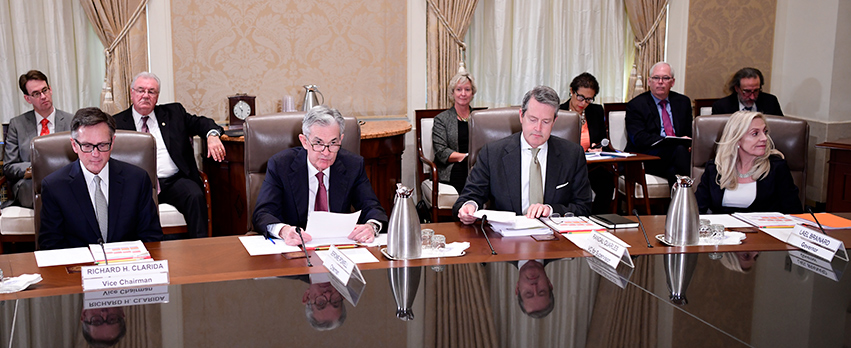
Congress Should Heed the Lessons from the Federal Reserve's Ethics Scandals
After a stream of stories throughout the pandemic revealed seemingly rampant congressional insider trading, laughable disclosure practices, and nonexistent enforcement, Congress appears finally to be feeling the pressure to clean up its act. In recent weeks, lawmakers have introduced a flurry of new bills to limit conflicts of interest and help restore public trust in our governing institutions.
As they begin to forge a piece of consensus legislation, they should consider that members of Congress were not the only political leaders to violate public trust throughout the pandemic period. The trading scandals within the Federal Reserve system, for example, revealed material ethical deficiencies that have yet to be satisfactorily addressed. It’s important to recognize that these deficiencies are not unique to the Federal Reserve and that they represent an ongoing threat to public trust in other powerful corners of the executive branch as well. To rebuild that trust in government, lawmakers must learn the lessons of the Federal Reserve scandals and develop fixes for these deficiencies there and elsewhere.
April 05, 2022
Putting Biden’s Antitrust Budget Increases In Context
The federal government may no longer be operating under the onus of Trump-era austerity, but agencies across the federal government are still far from having the resources they need to quickly and effectively fulfill their responsibilities to the American people. For the most part, President Biden’s proposed FY 2023 budget fails to fill that gap. However, increased funding for antitrust regulation is one of the bright spots in an otherwise uninspired budget. As we have covered in the past, both the Federal Trade Commission (FTC) and the Department of Justice’s Antitrust Division (ATR) saw staffing levels stagnate and budget allocations that did not keep pace with inflation or GDP growth.
March 28, 2022
The DOJ Should Follow Its Own Guidance on FOIA Administration
The celebration of Sunshine Week earlier this month underscored the importance of the continued effort to ensure effective administration of the Freedom of Information Act (FOIA) and its central role for open democracy. Passed by Congress in 1966, FOIA allows citizens to request unpublished records and information from the federal government. Watchdog organizations have long relied on records obtained from FOIA requests to hold the government accountable to public interests. But, the system comes with a plethora of flaws that prevents adequate timeliness and transparency. Endless backlogs, increased usage of exemptions, partially redacted documents, and outright denials leave much to be desired in the administration of FOIA today.

March 28, 2022
Dylan Gyauch-Lewis Mekedas Belayneh
Blog Post Anti-MonopolyCongressional OversightCorporate CrackdownExecutive BranchIndependent Agencies
Shipping Cartels Are Spiraling Out Of Control. The Agency Set To Regulate Them Doesn’t See The Problem.
The Federal Maritime Commission’s leaders have no interest in breaking up the shipping conglomerates’ price-gouging which Biden promised the nation.
March 28, 2022
Biden’s Weak Record On White-Collar Crime Is (Partly) Thanks To Congress
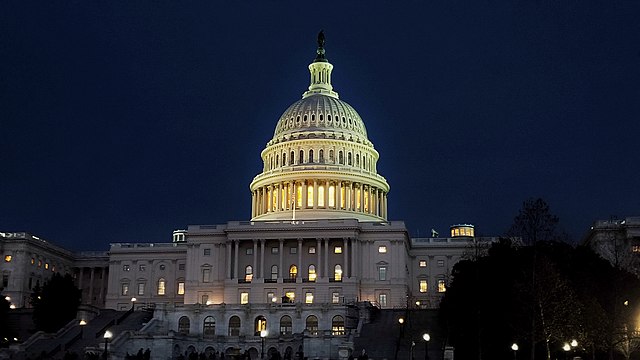
When Republicans blockade confirmation hearings, they handcuff the government’s ability to handcuff lawbreaking executives.
March 16, 2022
To Take Down Corporate Polluters, the DOJ's Environmental Enforcer Needs More Capacity
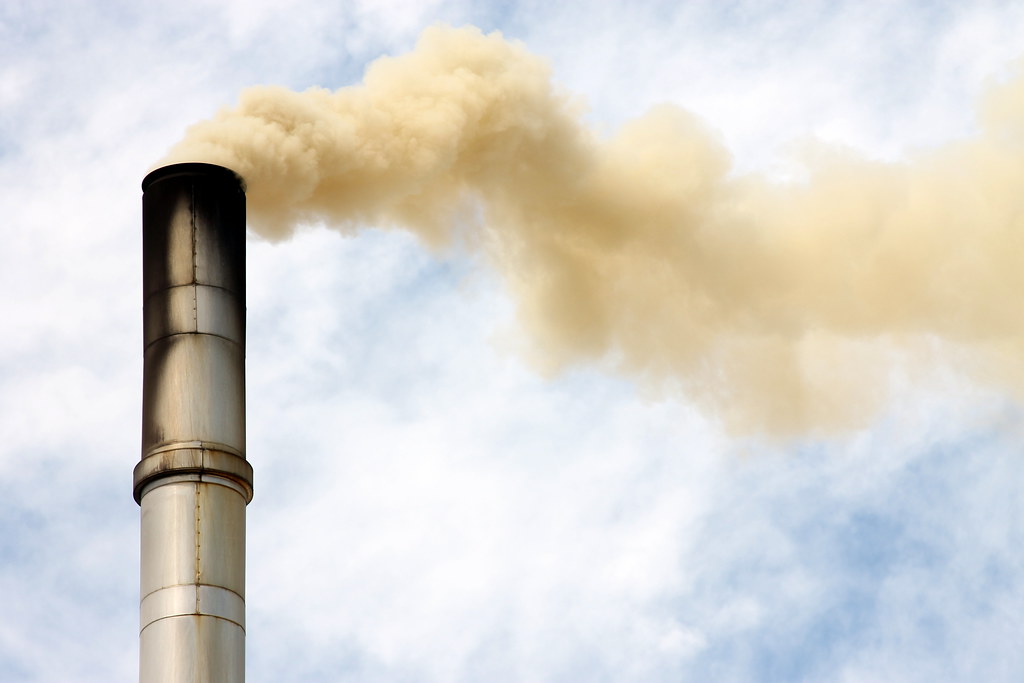
Overseen by Assistant Attorney General Todd Kim, the Environment and Natural Resources Division (ENRD) is one of seven litigating components of the Department of Justice (DOJ). The ENRD is divided into ten sections, each with its own area of expertise. The Division fulfills a wide range of responsibilities. For instance, the ENRD is tasked with protecting the nation’s natural resources and enforcing U.S. civil and criminal environmental laws, including the Clean Water Act, Clean Air Act, and hazardous waste laws. The Division also handles tribal rights and resources cases. Other responsibilities include, but are not limited to, “facilitating cleaner energy and ensuring marketplace integrity; defending and adjudicating water rights for Federal agencies and Indian Tribes, as well as policies and decisions that support the generation of clean energy on Federal lands and the outer continental shelf; and, promoting international climate justice activities and the advancement of legislative and policy matters related to climate change.”

March 09, 2022
Biden’s Ban on Russian Fuels Could Be a Climate Turning Point
With only a handful of years left to act before catastrophic global climate change becomes irreversible, every day is a high-stakes day for U.S. climate policy. But the past two weeks of Putin’s unconscionable war on Ukraine have been particularly nerve-racking for the future of the energy transition—a transition which is inextricably linked to the future of democracy everywhere.

March 07, 2022
Obscure Agency Must Deny Russian Oligarchs Possible Crypto Sanction Evasion Tool
While it is unlikely that an economy as large as Russia’s can be rerouted through present crypto infrastructure, there remains opportunity for targeted individuals and entities to leverage the industry’s weak compliance mechanisms to move some of their assets. The Treasury Department’s Office of Foreign Asset Control (OFAC) and Financial Crimes Enforcement Network (FINCEN), in conjunction with the White House’s National Security Council, need to ensure this does not happen.