
Search Results for

July 08, 2021
Biden Hires Top Officials From Big Tech-Aligned Law Firm, New Report Finds
Over the course of its decade-long partnership with Facebook, Latham has fought consumer data breach litigation, quashed federal investigations into corrupt practices by Facebook contractors, and advised on mergers and acquisitions that have cemented Facebook’s tech monopoly status (including its highly-controversial 2014 purchase of WhatsApp, a merger that is currently being challenged by the FTC).
May 28, 2021
Hobbled FTC Lacks Budget To Combat Corporate Buying Spree
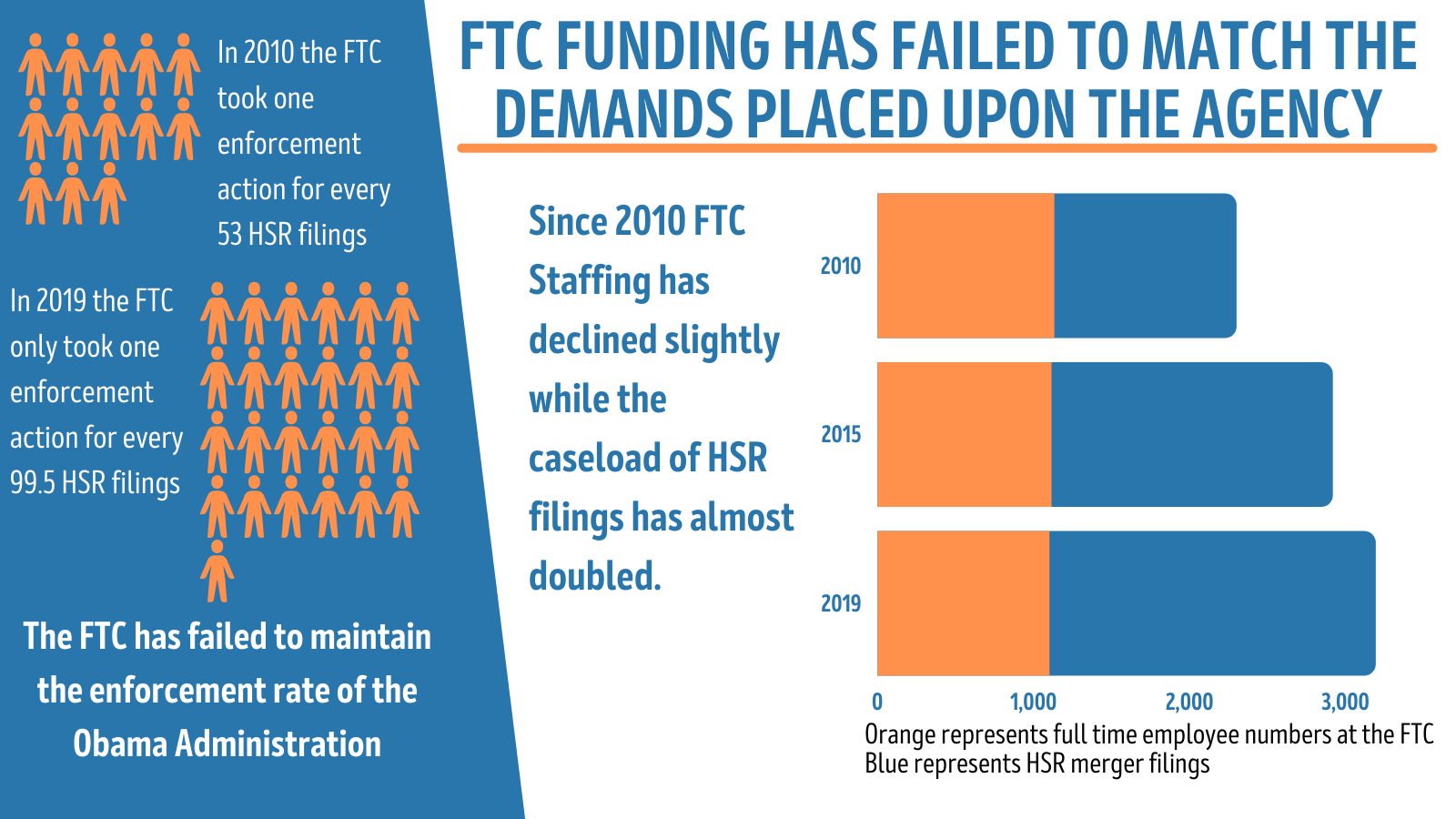
Progressives have been encouraged by President Biden’s choices of anti-monopoly leadership in Lina Khan, Tim Wu, and (potentially) Jonathan Kanter. But in the interregnum between personnel announcements and actual confirmations, corporations are getting as many transactions done now as possible. And while the Biden Administration seems on the precipice of reining in the power of Big Tech and other monopolists soon, the FTC, one of the two agencies charged with enforcing antitrust law, continues to be hobbled by chronic underfunding.
March 31, 2021
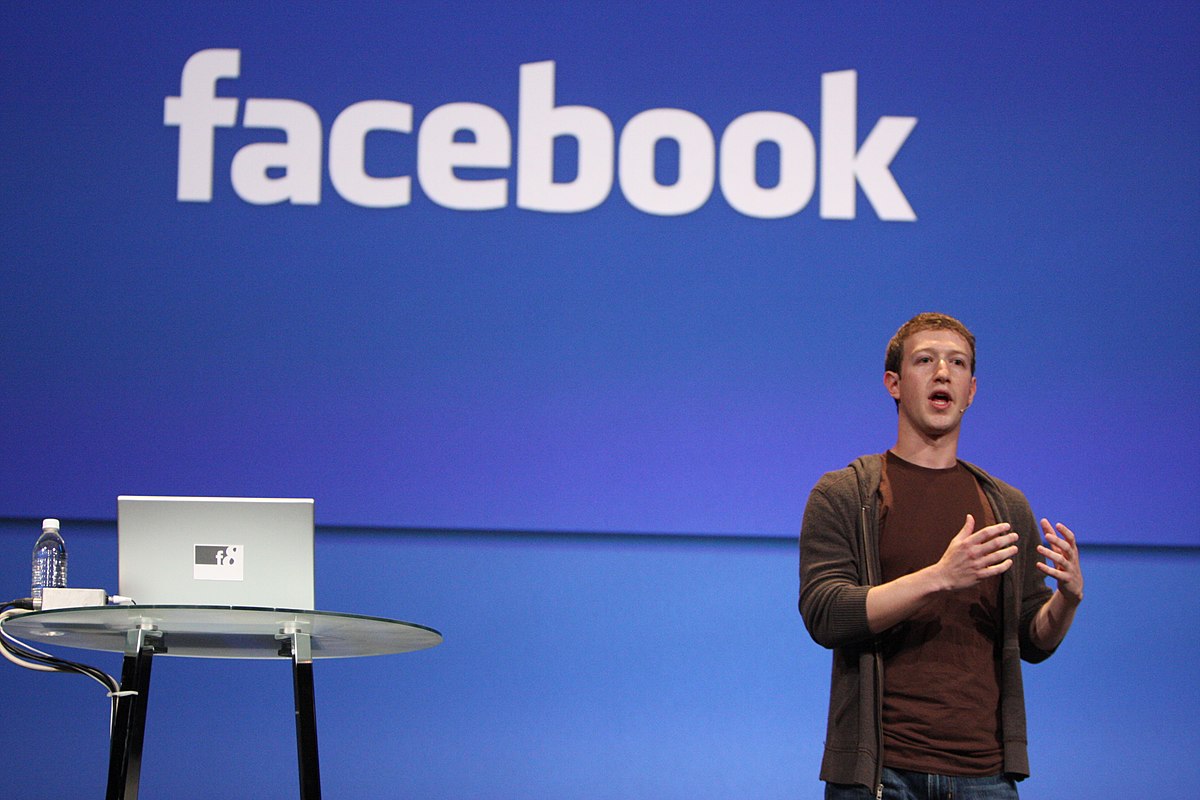
Facebook Strengthens Defenses Against Break Up By Hiring Another DOJ Antitrust Official
Another day, another former antitrust enforcer defecting for the corporate world. In the months since President Joe Biden promised to pursue more aggressive antitrust enforcement, former antitrust officials have become an even hotter commodity in the private sector. Douglas Rathbun is the latest official to jump ship from the increasingly central world of antitrust enforcement to the more lucrative world of defending the status quo. Rathbun is a former counsel for the Antitrust Division’s Office of Legal Policy and has advised the Division on administrative and regulatory matters as well as guided nominees to senior leadership positions. According to his LinkedIn, Rathbun elected to cut out the BigLaw middleman and join a corporation directly: this month he joined Facebook to work on public policy.
February 15, 2021
Trump Appointees Still Setting Agenda At Biden’s Antitrust Division
Last week the Biden administration appointed career civil servant Richard Powers as Acting Assistant Attorney General for the Department of Justice Antitrust Division (ATR). With the question of who will become Assistant Attorney General still up in the air and their confirmation likely several months away, the direction of the ATR’s enforcement is left in the hands of three top officials.
January 22, 2021
Right-Wing “Holding Pen” Firm May Snag Antitrust Division If Susan Davies Is Appointed
In a disappointing continuation from the Trump Administration, Politico reported last week that a Kirkland & Ellis lawyer is in contention to help lead the Department of Justice, raising serious concerns among anti-monopoly advocates. According to the article, Susan Davies, a litigation partner at Kirkland, might be the next assistant attorney general for antitrust.
January 22, 2021
Big Tech’s Top Picks to Lead DOJ Antitrust Division
Big Tech has a huge stake in who Biden ultimately staffs his antitrust and tech regulators. These individuals will decide how aggressively to carry out Biden’s promises of reining in the political and market power of these companies. If Big Tech gets its way, Biden will staff his antitrust teams with its attorneys and allies, who have pushed back against calls to break up these monopolies and protected them against regulation and enforcement. But if Biden wants to keep his campaign promises to take on monopolies, he must shut the revolving door between the federal government and Big Tech. That starts by rejecting for top jobs the following Big Tech allies.
January 16, 2021
Biden’s Antitrust Minefield
The vast majority of Americans believe that the monopoly power of tech companies is a major problem for the economy and a corrupting political influence. Biden should heed these concerns and avoiding appointing Big Tech insiders and allies of monopolies to head crucial antitrust regulatory posts at the Department of Justice.
November 13, 2020
Economists-For-Hire Help Monopolists And Big Oil Both
On Wednesday, The New York Times exposed that a network of seemingly-grassroots campaigns to promote the use of fossil fuels was actually organized by FTI Consulting, a dystopic corporate consulting firm working on behalf of oil and gas behemoths like ExxonMobil. The Times also implicates an FTI subsidiary, Compass Lexecon, in producing academic reports to support these astroturfed campaigns’ talking points. Compass Lexecon employees wrote reports criticizing activist shareholders and university divestment campaigns, tactics often used by the environmental activists FTI was paid to undermine.
September 09, 2020 | American Prospect
Biden Stiff-Arming Big Tech Would Be Good Politics, Policy
If Biden, should he be elected, chooses not to fill his administration with the usual former industry executives, lawyers, and lobbyists, he will likely be making one of the most universally popular choices of any president in recent history.
August 10, 2020
Jeff Hauser Max Moran Andrea Beaty Miranda Litwak
Blog Post Anti-MonopolyEthics in GovernmentRevolving DoorTech
The Revolving Door Project on Fighting Monopoly Power
Congress and the antitrust enforcement agencies have given unprecedented attention to the monopoly issues surrounding Big Tech in recent months. The scrutiny is one step toward rebalancing our increasingly concentrated economy, especially in the time of COVID-19, when small businesses are struggling to survive and corporations are further entrenching their power. But the problem of economic concentration extends far beyond Big Tech. It defines almost every corner of our economy. With the upcoming election and a potential shift in power, Joe Biden has an opportunity to reduce economic consolidation across the board, using executive branch powers including, but not limited to, reforming the antitrust enforcement agencies.
July 29, 2020 | Talking Points Memo
Today’s Congressional Hearing Will Test Big Tech’s Simplest Algorithm: If An Ex-Regulator, Then Hire
The tech companies set to testify before the House today knew for years that a reckoning was in the works. They’ve been building up their defenses, and a key component of that defense is the antitrust enforcement officials who take a trip through the revolving door to the benefit of corporate clients.
July 18, 2020 | Washington Monthly
Better Policy Ideas Alone Won’t Stop Monopolies
Over the last four years, new voices in the Democratic Party have been calling for policies that push back on established power structures. The growing anti-monopoly movement is a major part of this populist uprising—aimed at breaking up the corporate giants that dominate large swaths of the economy.
June 19, 2020 | Washington Monthly
How Biden Can Prove He’s Serious About Busting Corporate Monopolies
At the beginning of the coronavirus outbreak, Americans quickly learned just how unprepared the country was for a pandemic. One of the most alarming revelations was that the U.S. had nowhere near the number of ventilators and other life-saving medical equipment it needed to fight the virus. That’s largely because of a surprising culprit: the Federal Trade Commission (FTC).
June 17, 2020
“Career” Trade Reps Solicit USMCA Consulting Gigs from Auto Industry
Jason Bernstein and Fred Fischer, both Deputy Assistant U.S. Trade Representatives, reached out to auto industry representatives offering to “assist companies directly with their USMCA implementation needs,” according to Bloomberg’s report. The report did not confirm whether Bernstein and Fischer asked for or received clearance to contact the auto companies, while ethics experts speculate that offering such services while still employed by the government might breach federal ethics requirements.
June 04, 2020
Another BigLaw Alum Ascends at the FTC
In late May, the Federal Trade Commission promoted Patty McDermott to Deputy Assistant Director of the Anticompetitive Practices (ACP) division. The ACP division’s work “involves not only stopping illegal conduct but also shaping the law,” making McDermott’s new position one of interest to corporations overseen by the FTC, beyond run-of-the-mill enforcement.